Backers, Crowdfunding
The Crowdfunding Red Flag Checklist: 21 Signs a Kickstarter or Indiegogo Campaign Might Be a Scam
Dec
If you’ve backed enough projects on Kickstarter or Indiegogo, you learn a painful truth: not every “innovative” campaign is legit. Some are outright scams. Others are well-intentioned but dangerously unprepared. Either way, the result for backers can look the same—missed timelines, vague updates, and a product that never arrives. At Crowdfund Junkie (CFJ), we track campaigns from pitch to product. That means we don’t just judge the trailer—we look at execution, transparency, and how creators behave when things get hard.
Below is a practical, sponsor-friendly due diligence checklist you can use before you pledge.
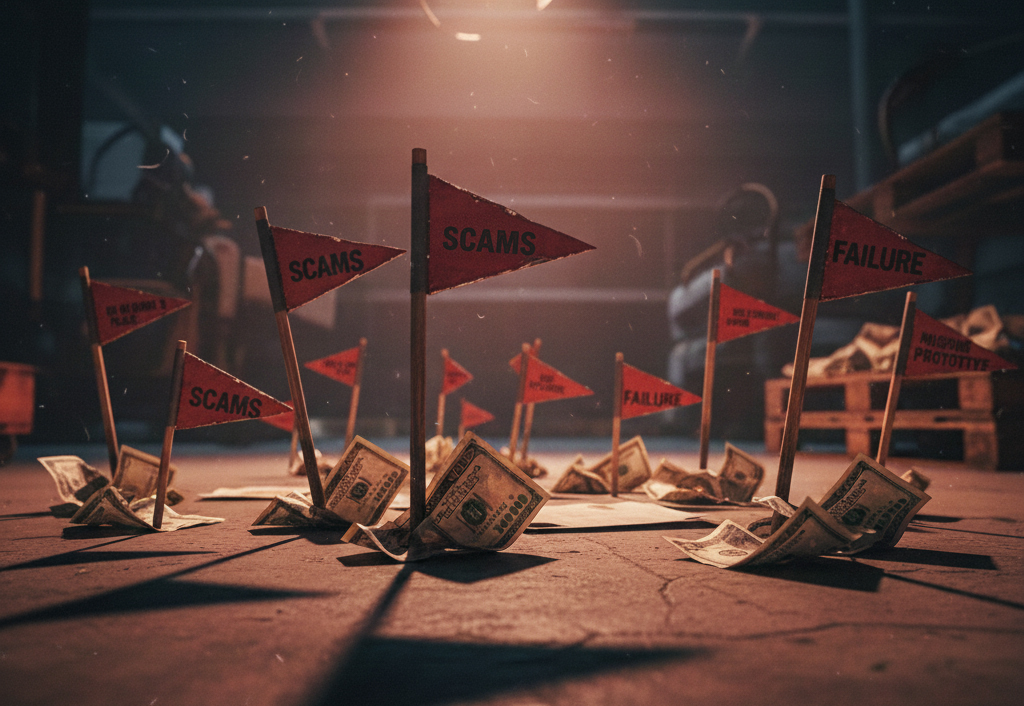
Quick note: “Scam” vs “Failure”
Not every failed campaign is a scam. Manufacturing is hard. Logistics are messy. But there’s a difference between honest setbacks and dishonest behavior. This checklist helps you spot both.
21 red flags to watch for
1) The campaign is selling a miracle
If the product promises to break the laws of physics (or deliver premium performance at bargain pricing), pause. Overpromising is a classic setup for disappointment.
2) The video is all hype, no proof
A slick trailer is not evidence. Look for:
– Real prototypes in use
– Close-up demonstrations
– Clear explanations of how it works
3) No manufacturing plan (or it’s vague)
A credible creator can explain:
– Where it will be manufactured
– What stage they’re in (prototype, EVT/DVT, tooling, etc.)
– What the biggest risks are
4) The timeline is unrealistically short
If a complex hardware product claims it will ship in a couple months, that’s a due diligence alarm. Tooling, certification, and shipping alone can eat that time.
5) The creator avoids specifics in the FAQ
Legit campaigns answer hard questions. Risky campaigns dodge them.
6) The team section is thin
If there’s no clear team, no relevant experience, and no accountability, you’re betting blind.
7) No external validation
Look for:
– Independent reviews (not sponsored “first looks”)
– Press coverage that includes real testing
– Transparent partnerships
8) The campaign uses “render-only” product images
Renders are normal early on, but if everything is a render and nothing is real, you’re taking on extra risk.
9) The creator has a history of ghosting
Check prior campaigns. Patterns matter:
– Long gaps between updates
– Defensive communication
– Blaming everyone else
10) The comments section is being managed aggressively
Moderation is fine. But if you see:
– Legit questions deleted
– Backers blocked for asking about delays
– Repetitive copy-paste answers
…that’s a red flag.
11) Updates are frequent but empty
A lot of words can hide a lack of progress. Strong updates include:
– Photos/videos of real progress
– Specific milestones
– What changed since the last update
12) Shipping is “TBD” or suspiciously cheap
Shipping is expensive and volatile. If shipping is vague or unrealistically low, expect surprises.
13) The campaign is “funded” but doesn’t look ready
Funding is not the finish line. It’s the starting gun. A campaign can raise a lot and still be unprepared.
14) Too many stretch goals too early
Stretch goals can be great, but they also add complexity. If a creator piles on features before they’ve proven the base product, risk goes up.
15) The creator refuses to discuss certifications
For many products, certifications aren’t optional. Examples:
– FCC/CE for electronics
– Safety testing for batteries
– Food-contact compliance for kitchen products
16) The campaign leans on “we’ll figure it out later”
Crowdfunding is not a substitute for a plan.
17) The creator is defensive when challenged
A trustworthy creator can say:
– “Here’s what we know.”
– “Here’s what we don’t know.”
– “Here’s how we’ll handle it.”
18) The campaign’s pricing doesn’t make sense
If the price seems too good to be true, it often is. Hardware margins are real.
19) The creator is vague about refunds and policies
Kickstarter and Indiegogo are not traditional stores. You need to know what you’re actually agreeing to.
20) The campaign is running multiple versions of the truth
Watch for inconsistencies between:
– The main page
– The updates
– The comments
– Off-platform social posts
21) The creator avoids showing the “boring” work
The boring work is the real work:
– Tooling
– Testing
– Packaging
– Freight
– Customer support planning
A simple due diligence routine (10 minutes)
Before you pledge, do this:
1. Read the risks section (don’t skip it)
2. Scan the comments (sort by newest)
3. Look for prototype proof (not just renders)
4. Check the timeline against complexity
5. Search the creator’s name + prior campaigns
Final thought
Backing on Kickstarter or Indiegogo can be fun, and it can be rewarding—but it’s not risk-free. A little due diligence up front can save you months of frustration.
Want CFJ to track a campaign you’re considering?
Subscribe on YouTube and send us the link—we’ll put it on the radar.
About Crowdfund Junkie
Crowdfund Junkie (CFJ) is a no-BS video podcast for the crowdfunding community. We track Kickstarter and Indiegogo campaigns from pitch to product—celebrating the creators who execute and calling out the red flags that backers need to see.
